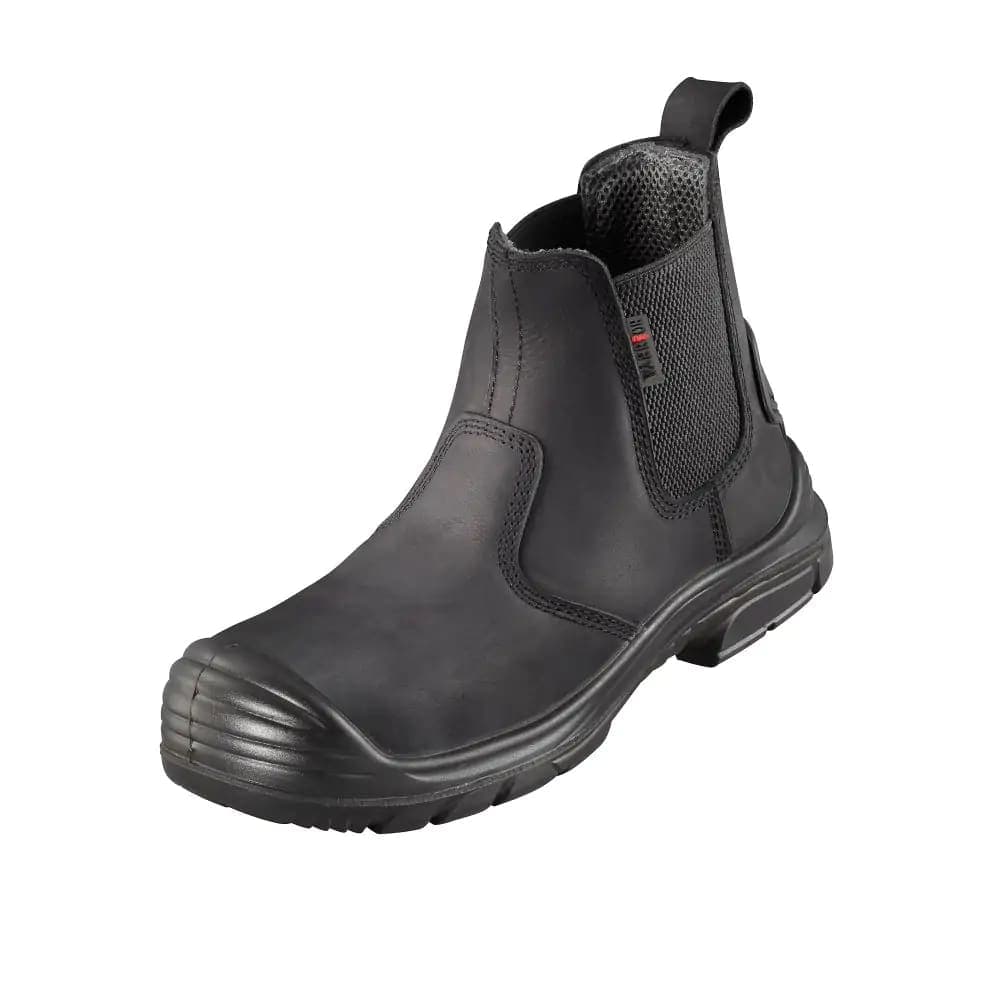
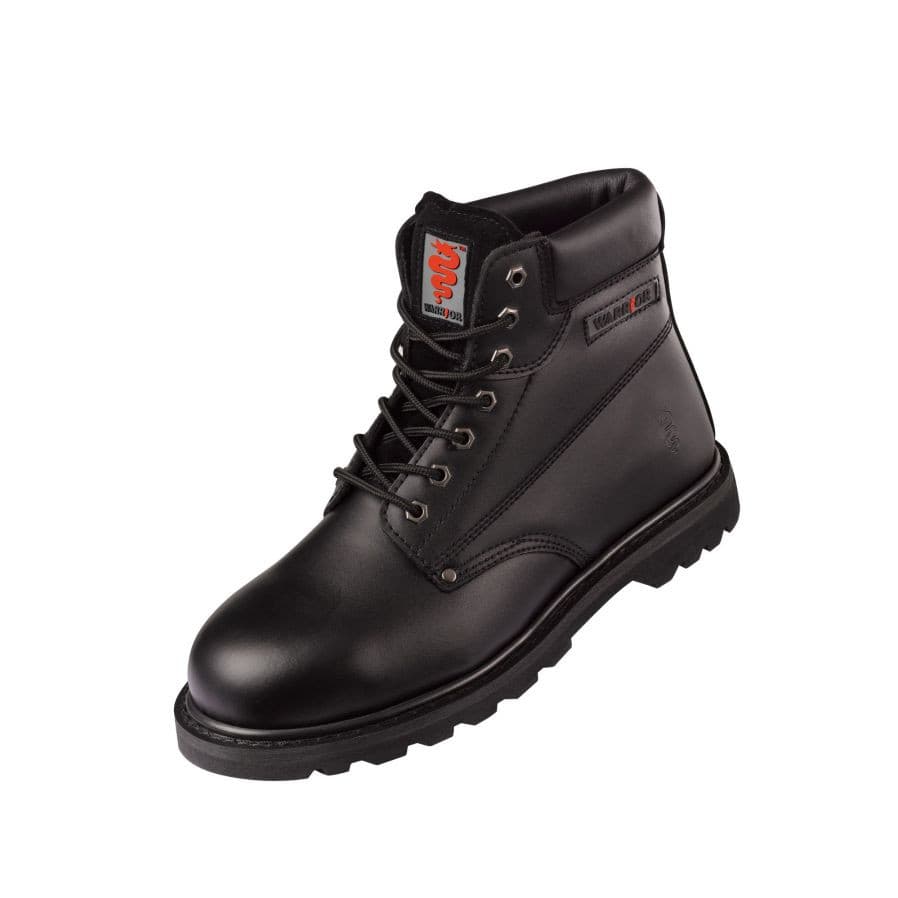
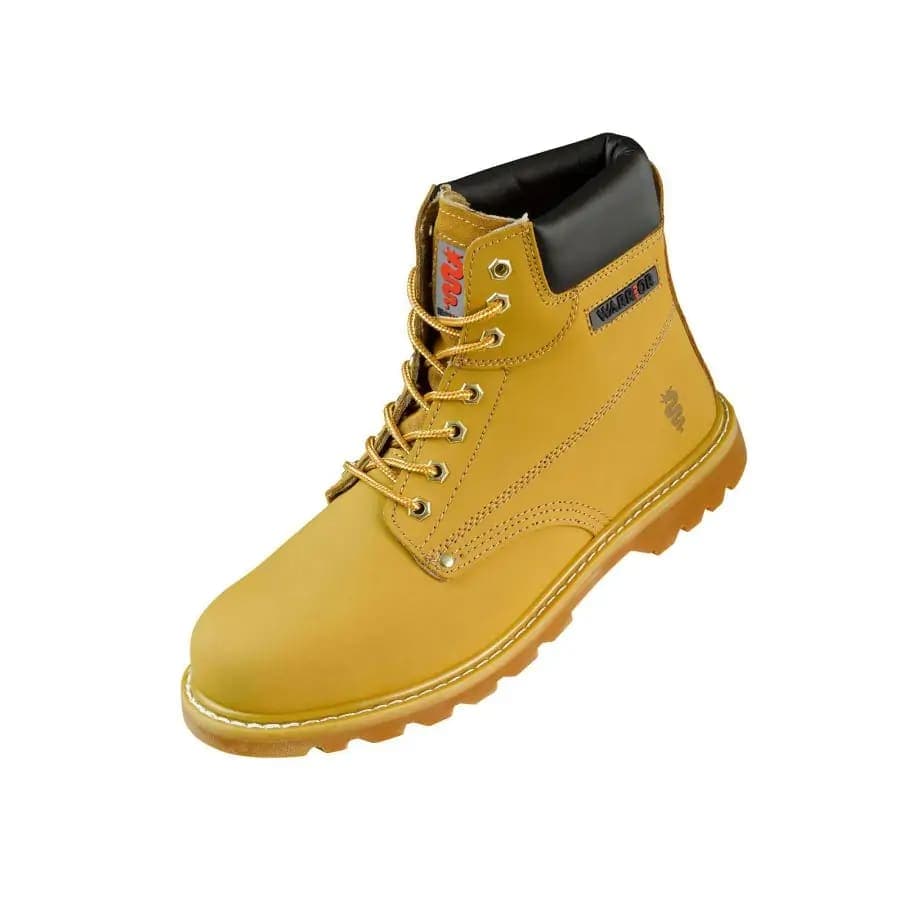
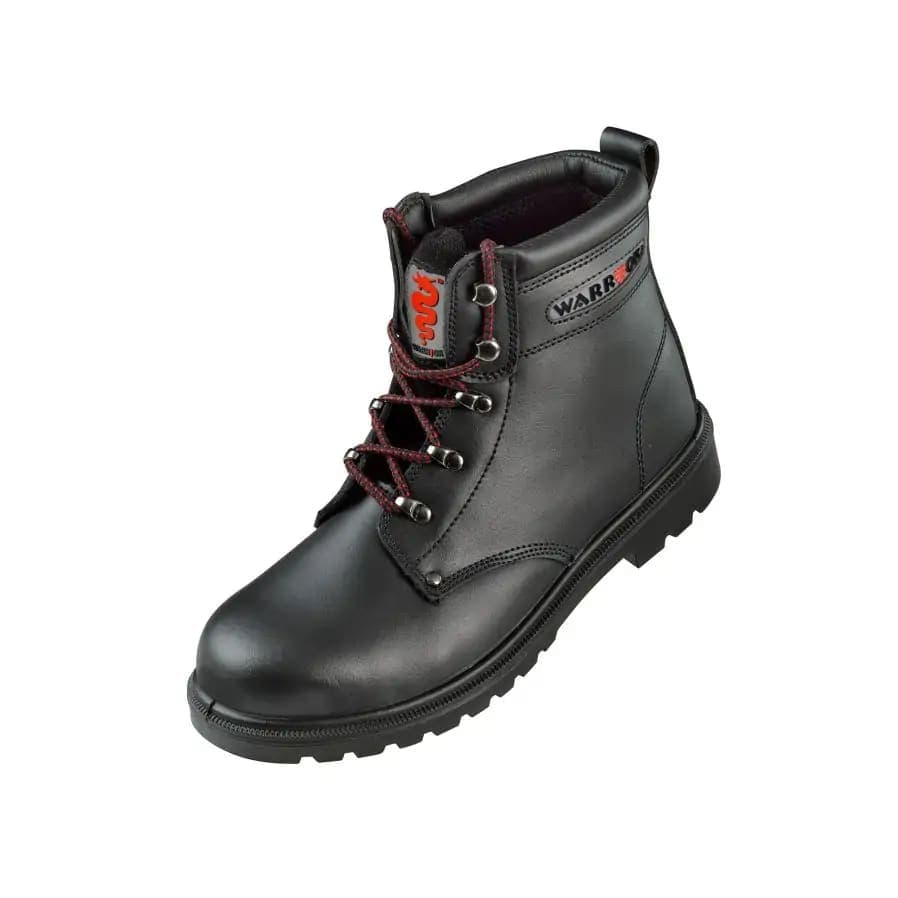
Safety Boots
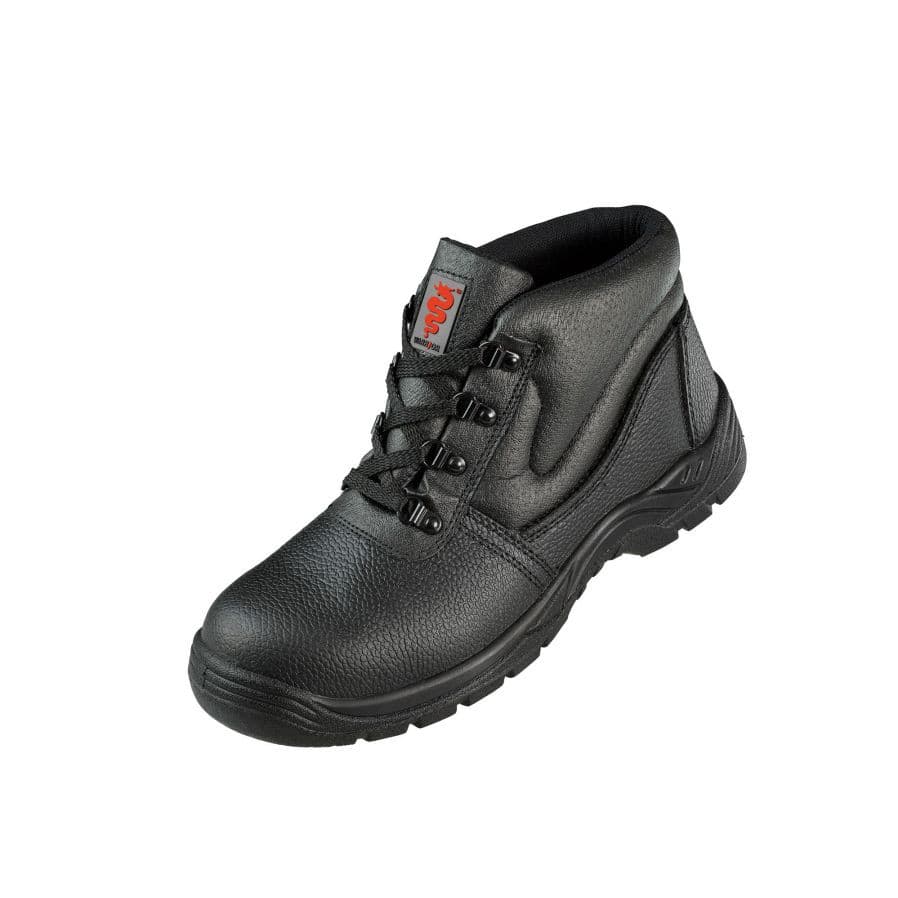
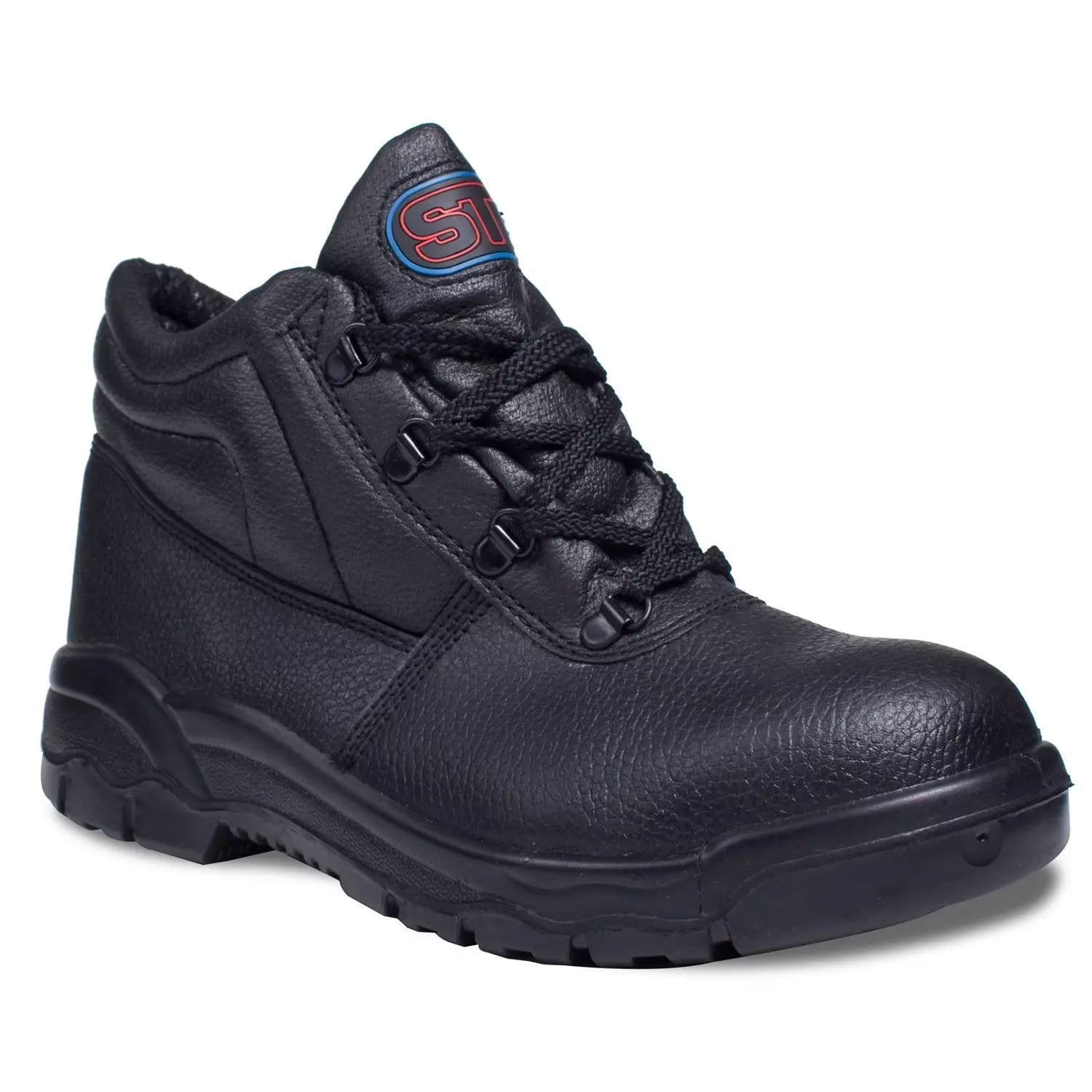
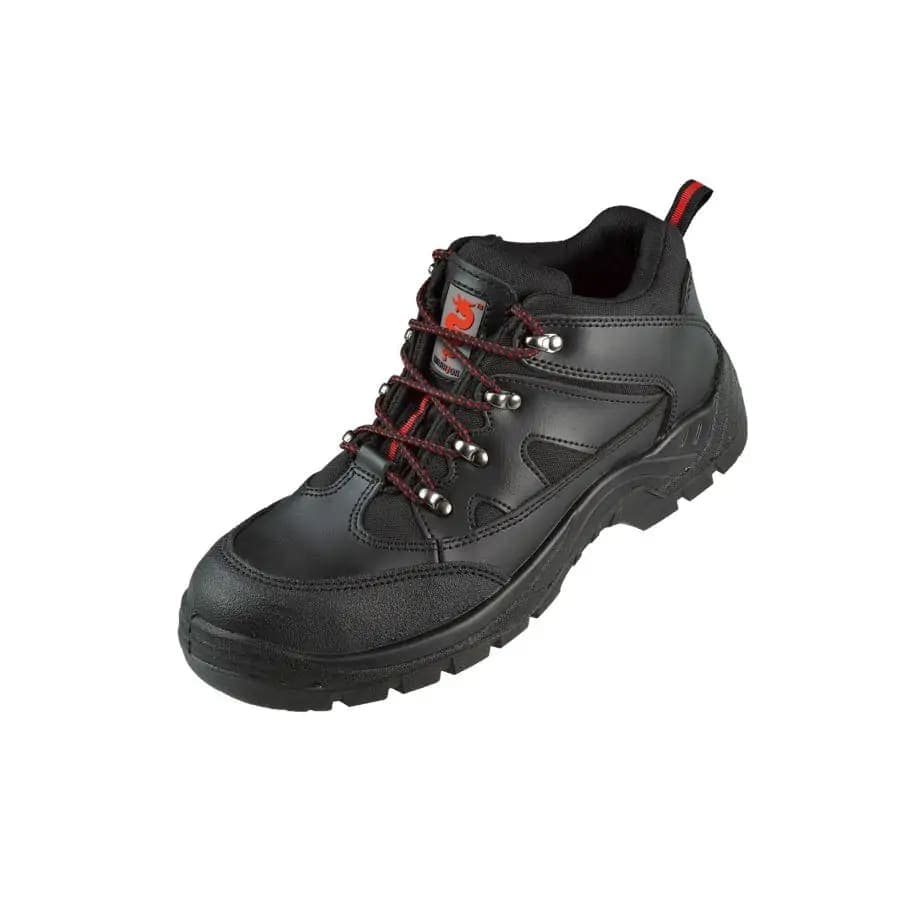
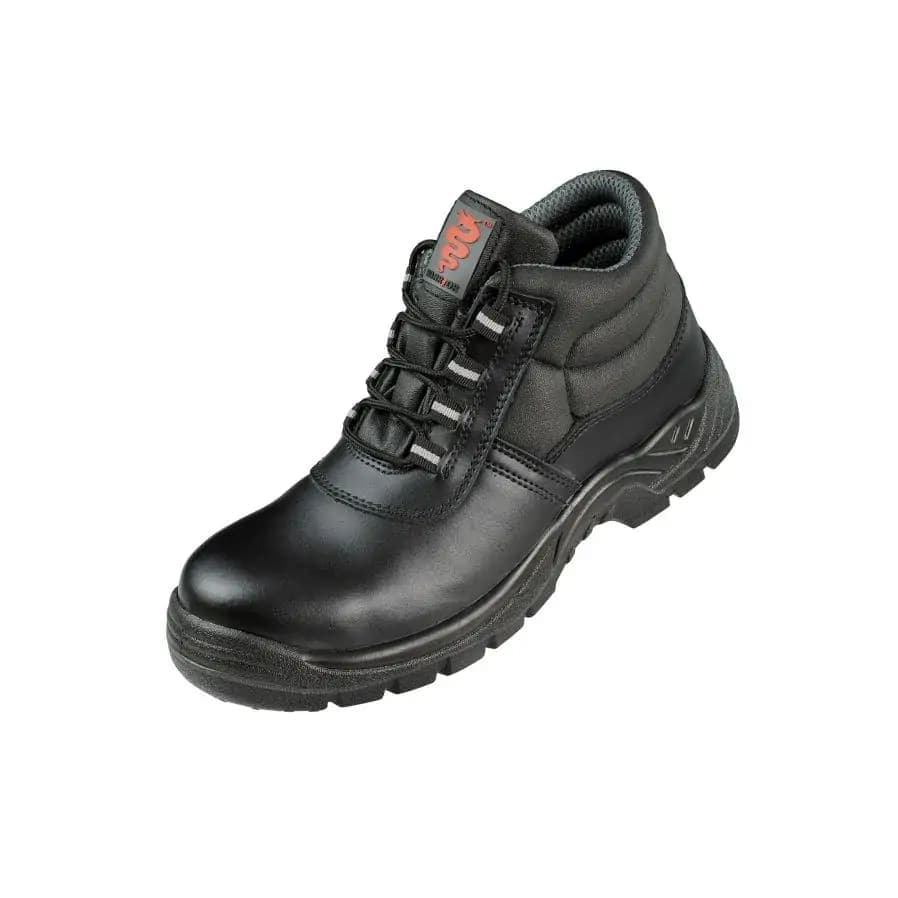
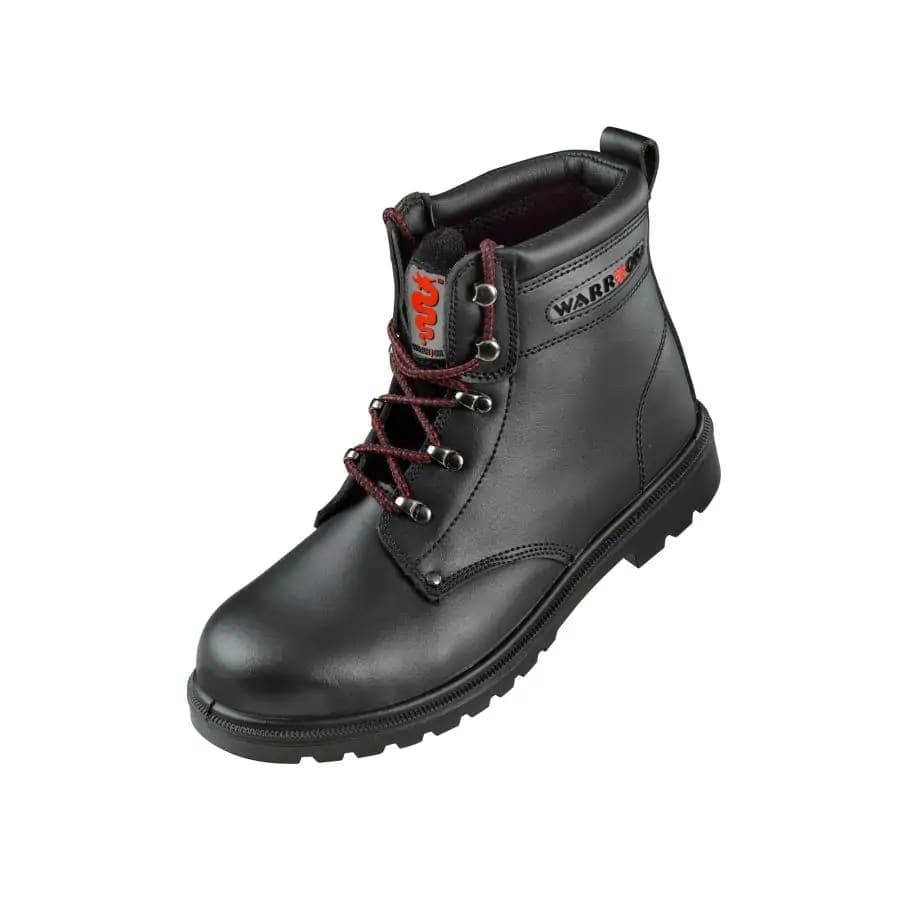
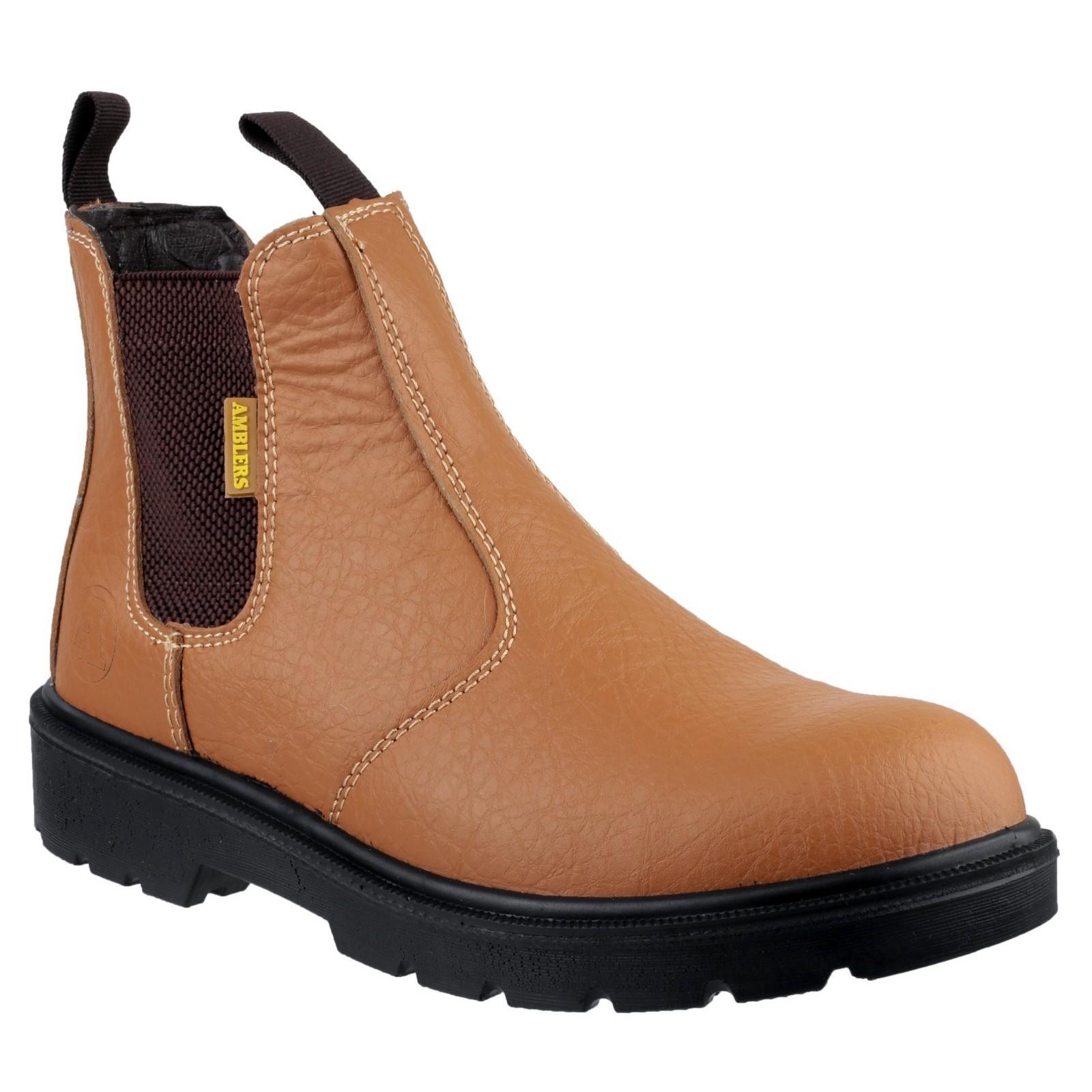
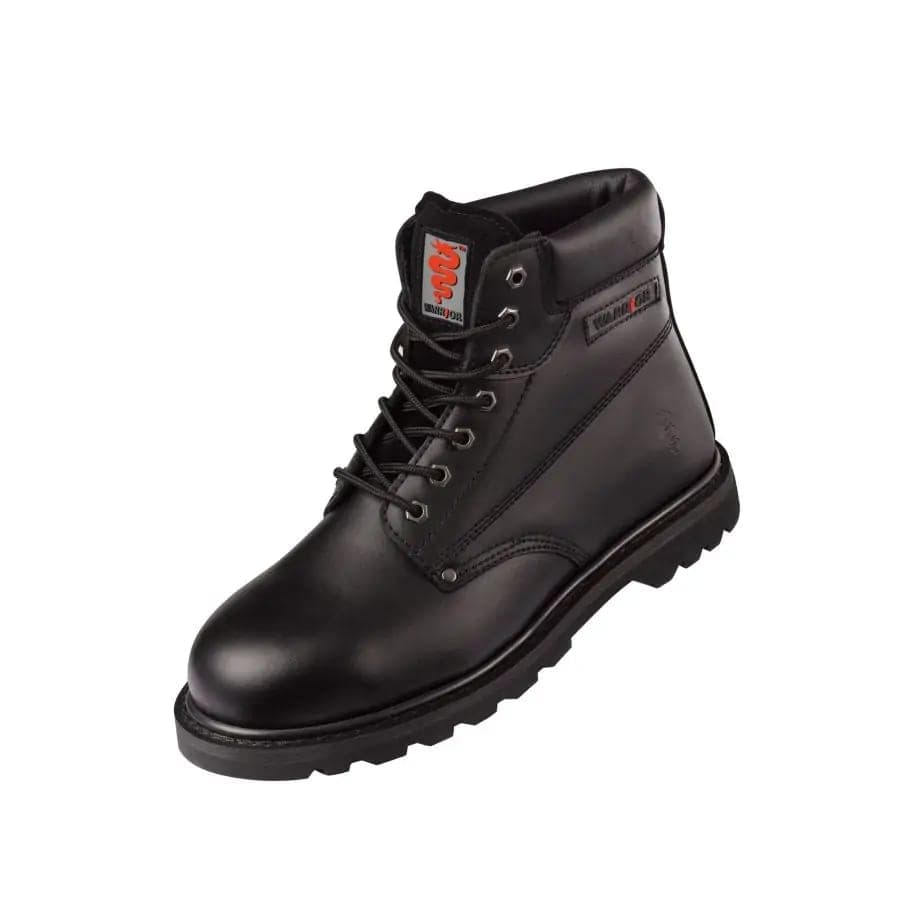
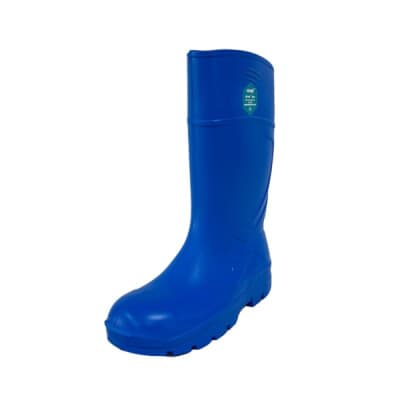
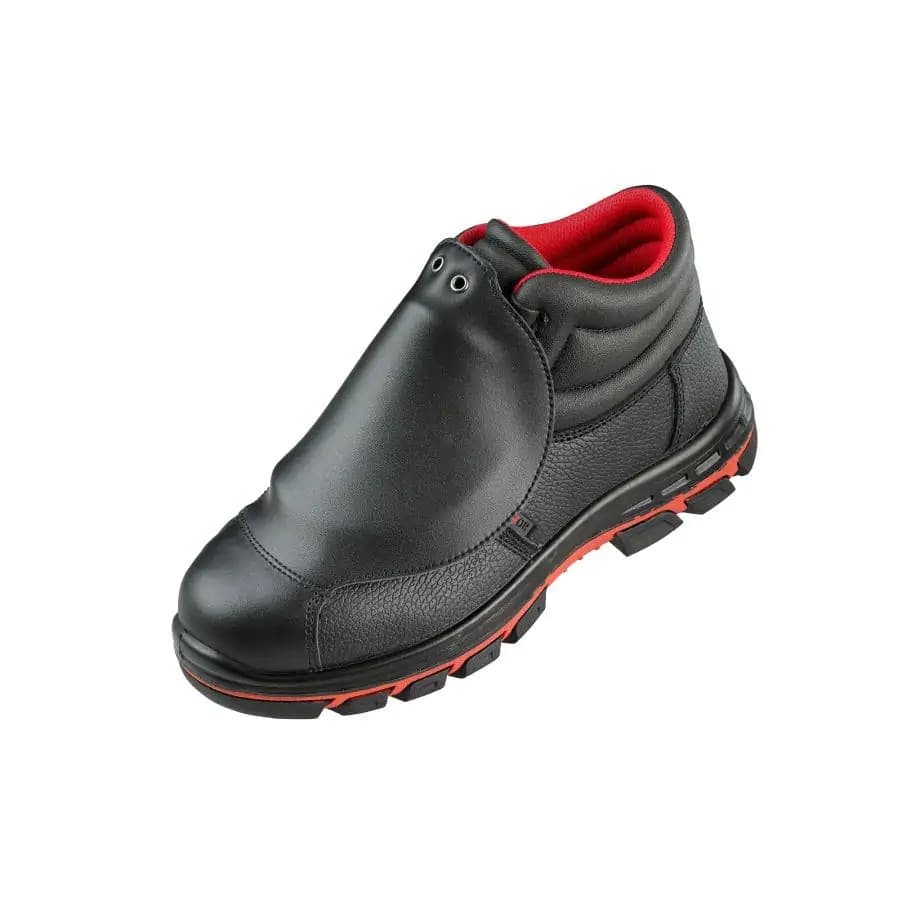
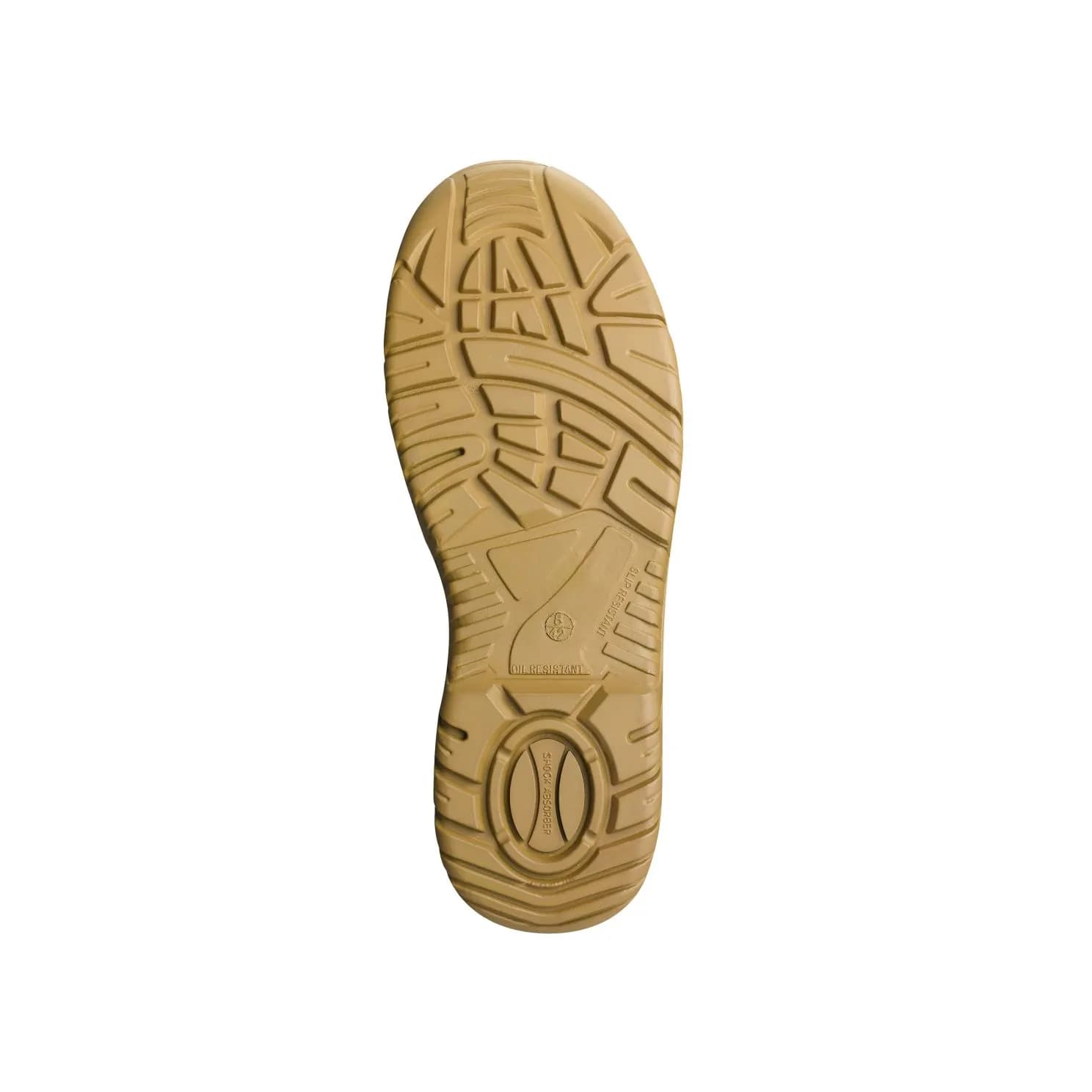
Safety boots certified to EN ISO 20345, from ankle boots and hikers to riggers and waterproof styles, with steel and composite toecaps.
Safety Boots — common questions
Straight answers about what we stock, how it is sold and which standard applies.
What do S1, S1P and S3 mean on a safety boot?
Every safety boot certified to EN ISO 20345 carries a toecap tested to 200 joules, so that part is common to all of them. The code tells you what is added. S1 covers antistatic properties, a closed heel and an energy absorbing heel region. S1P adds a penetration resistant midsole. S3 adds that midsole plus a water resistant upper. The 2022 revision also introduced S6 and S7 for fully waterproof boots. Match the code to the hazard rather than buying the highest by default, because a heavier boot worn for a ten hour shift becomes its own problem.
Steel or composite toecap?
Both are tested to the same 200 joule impact, so neither is stronger in the sense that certification measures. Composite is lighter, does not conduct cold, and does not trip metal detectors, which matters in food production and airside work. Steel is thinner over the toe, so a steel cap can give the same protection in a less bulky boot.
Why do newer boots not say SRA or SRC?
EN ISO 20345 was revised in 2022 and those slip resistance markings were retired. Basic slip resistance is now a requirement of every certified safety boot rather than an optional extra, so it is no longer called out separately. Boots that pass an additional slip test carry SR. You will see both old and new markings while stock turns over.
What is the difference between a boot, a shoe and a trainer?
Cut height and what it supports. A boot covers the ankle and is the usual choice on uneven ground and outdoor sites. A safety shoe sits below the ankle for indoor and workshop use. A safety trainer is built on a sports last for comfort over long shifts on flat surfaces. All three carry the same 200 joule toecap when certified to EN ISO 20345, so the choice is about the ground you stand on, not the level of protection.