Groundworks
Workwear and PPE for groundworks and civils: Class 3 hi vis, wellingtons and waders, latex coated gloves for wet grip, and weather protection to EN 343.
Shop Groundworks by type
Groundworks — common questions
Straight answers about what we stock, how it is sold and which standard applies.
Why is Class 3 hi vis the norm on groundworks?
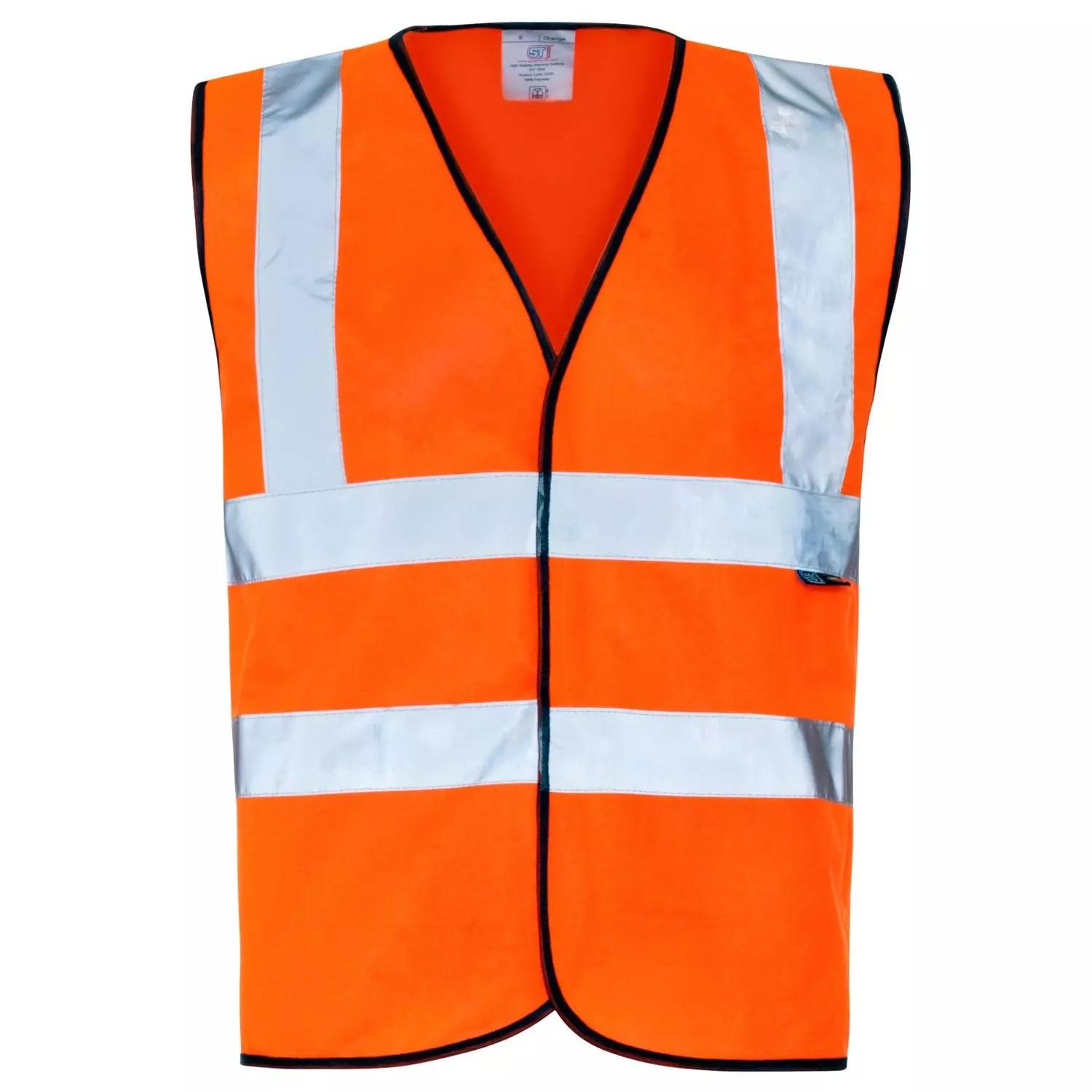
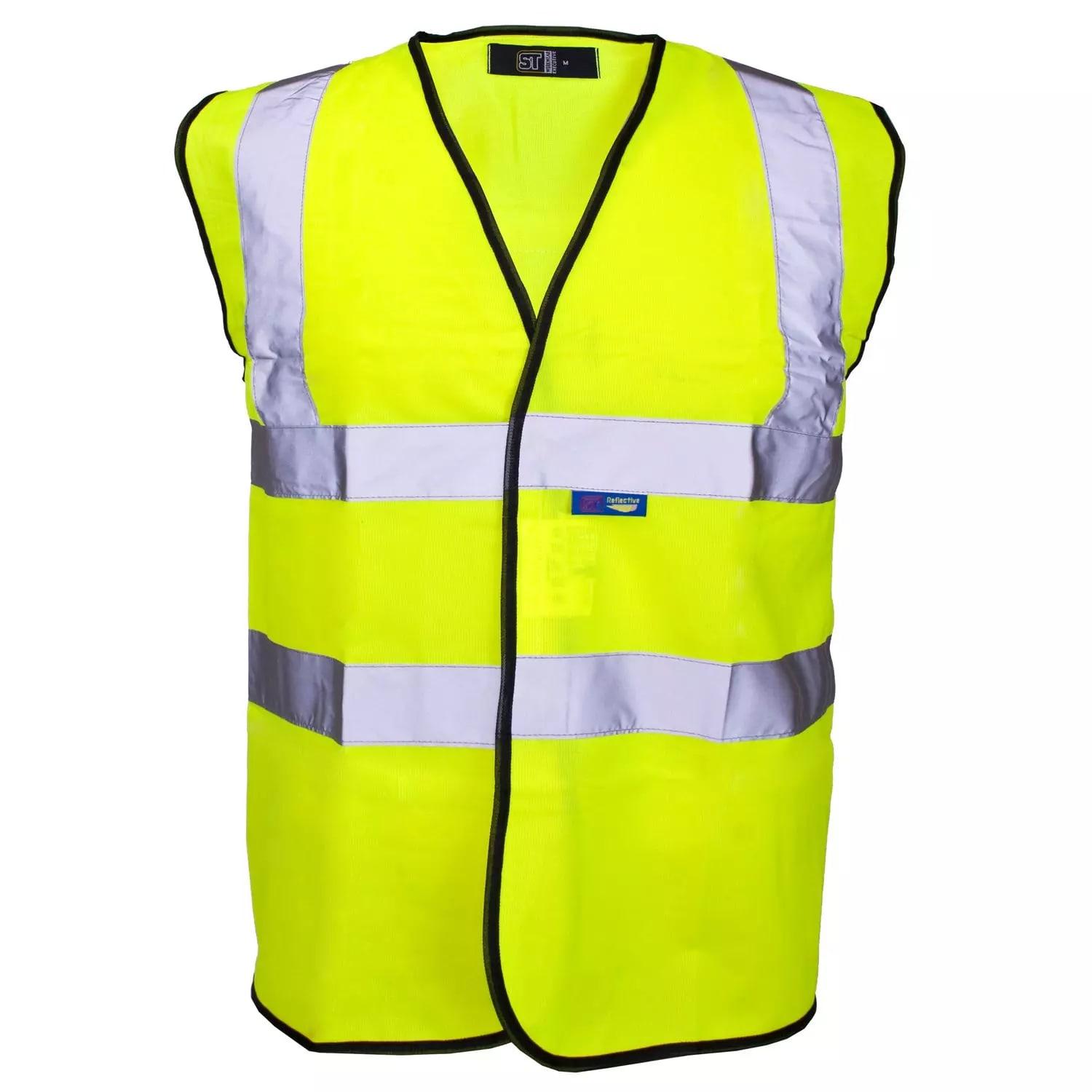
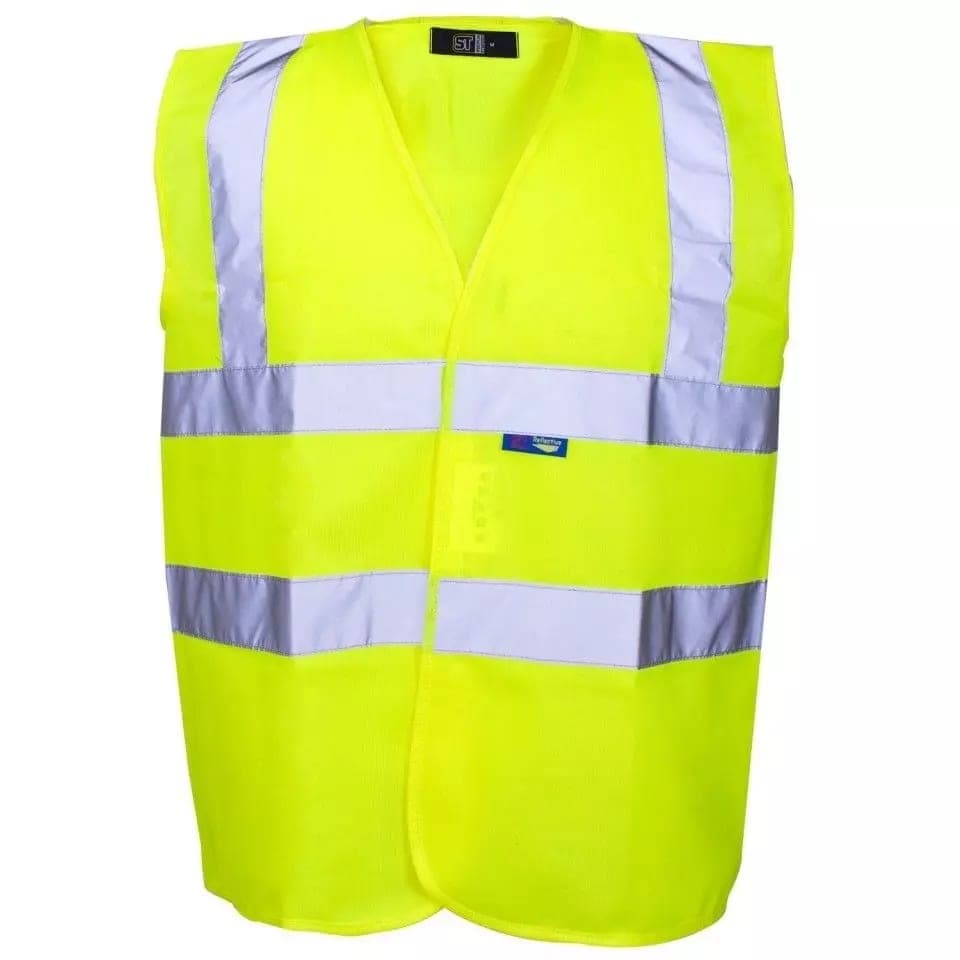
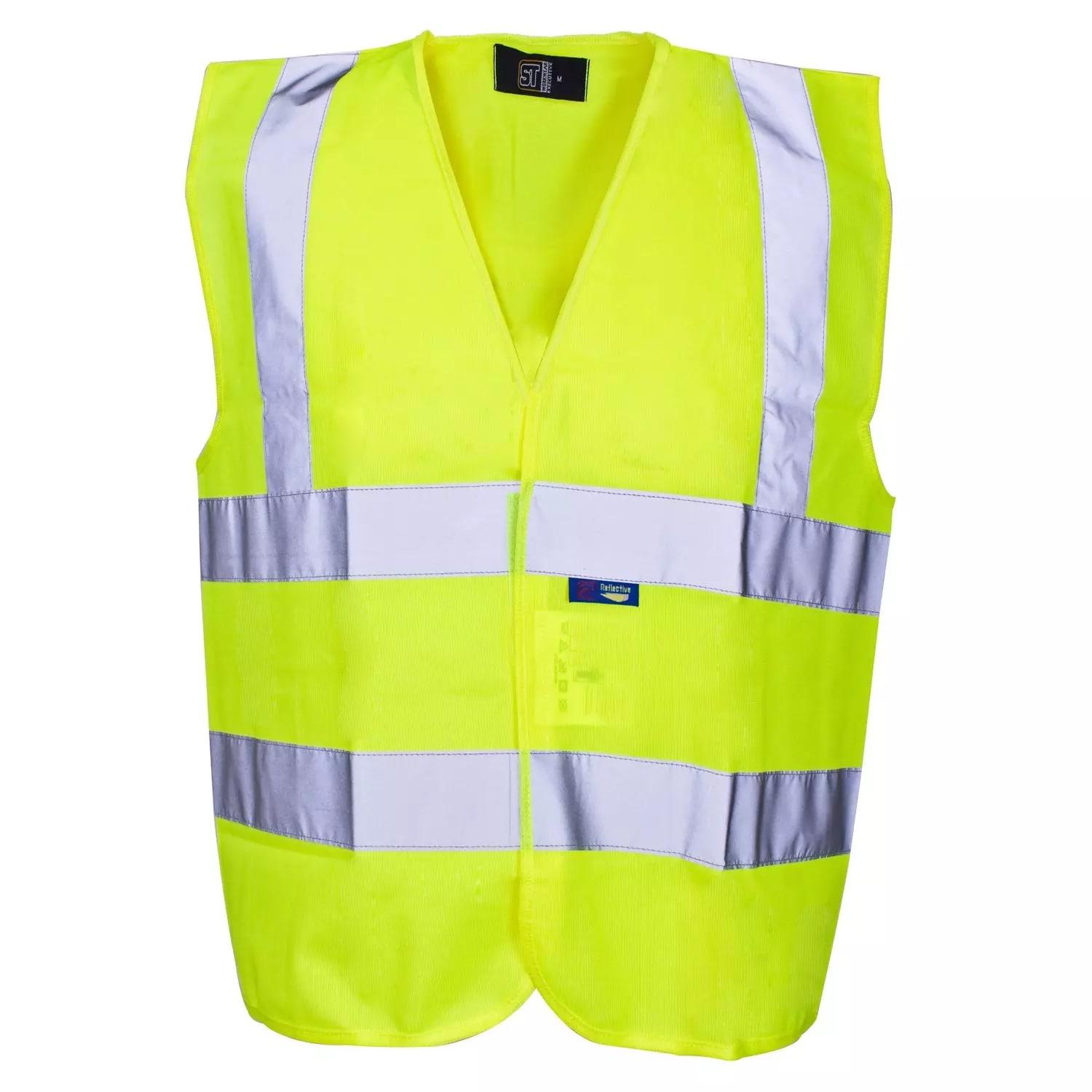
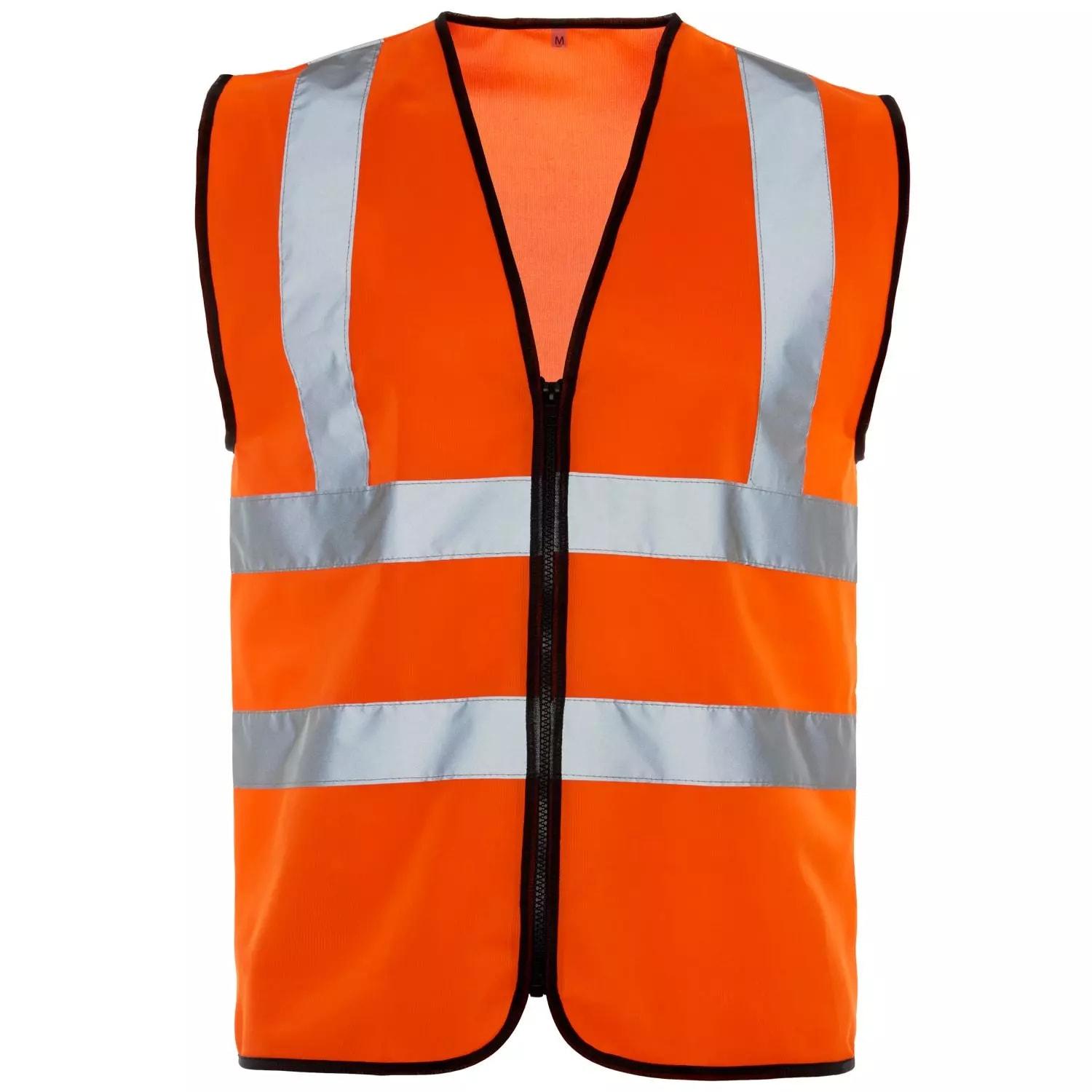
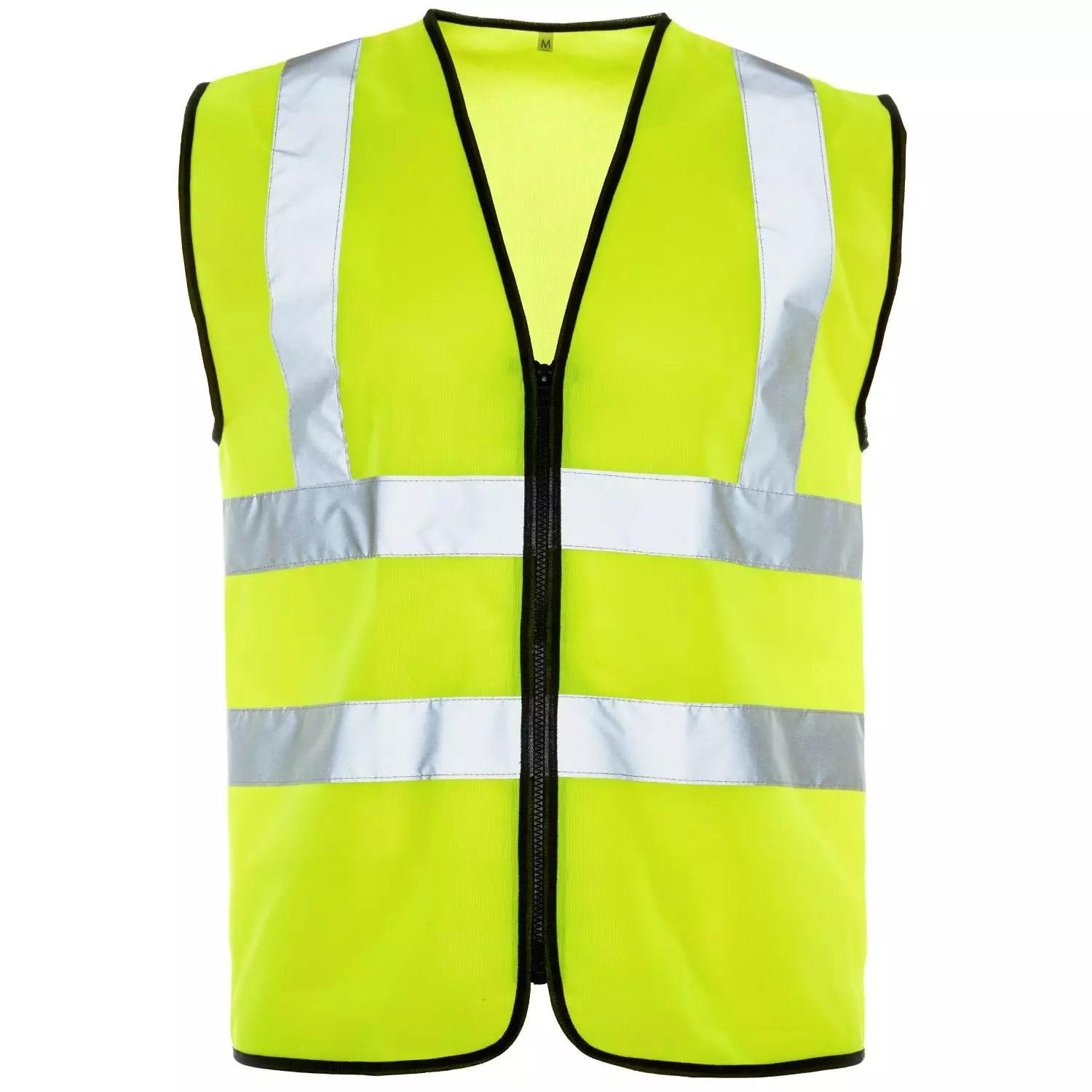
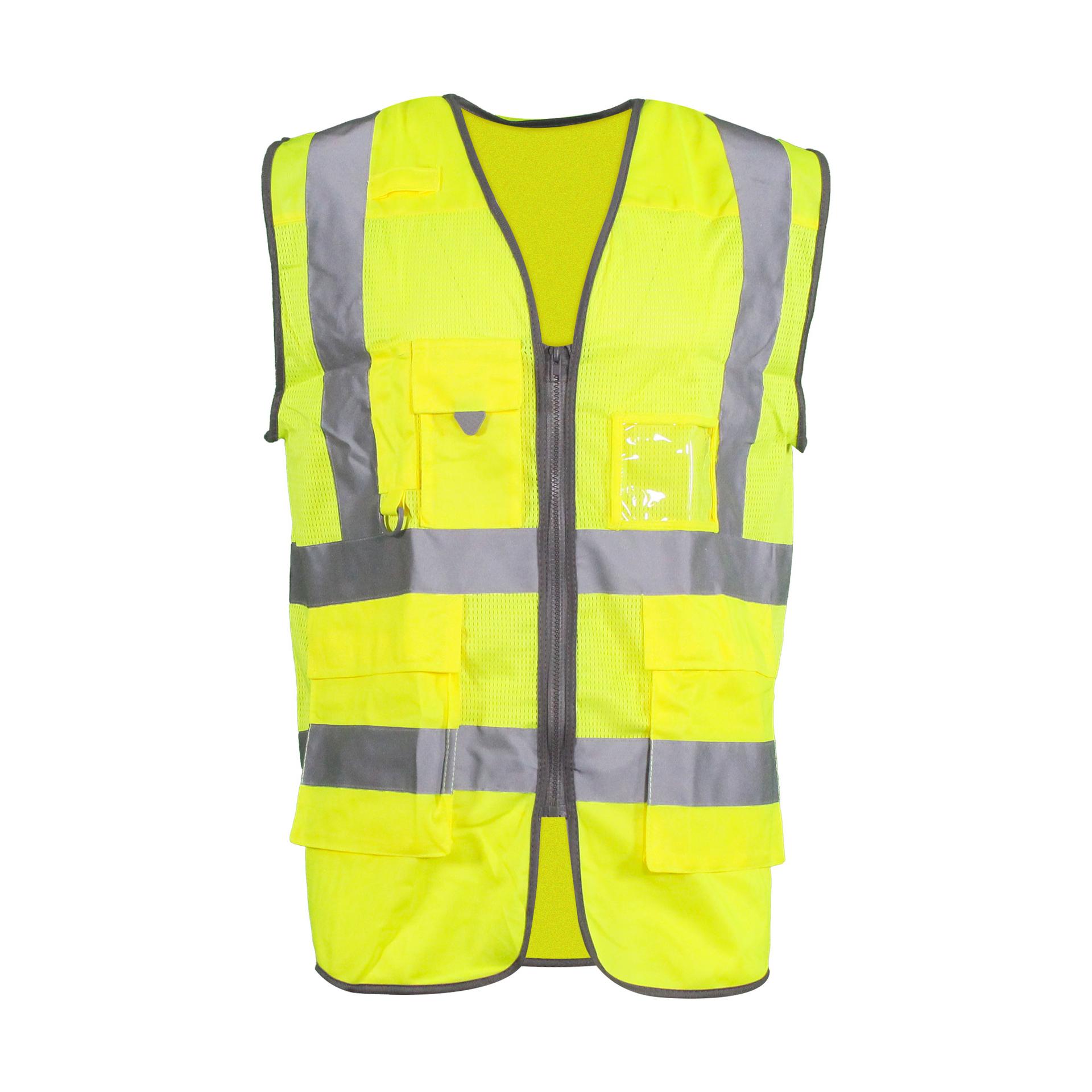
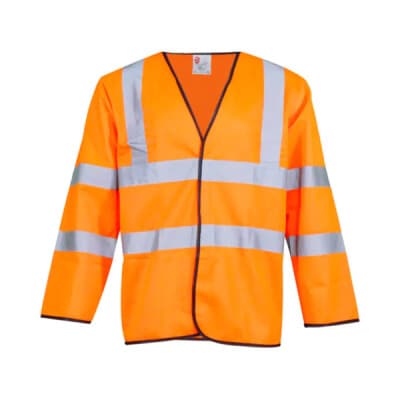
Because of what is moving around you. EN ISO 20471 awards a class on the total certified area you are wearing, and highways and rail work normally specify Class 3, which usually takes a certified jacket or top PLUS certified trousers. A vest on its own is Class 2 and will not satisfy it.
Which gloves work in the wet?
Latex coated. Latex grips hardest when wet, which is exactly the condition this trade works in, and it takes the abrasion of block, kerb and concrete. It is the wrong glove around oil, which degrades it, so keep nitrile in the van for plant work.
Wellingtons, riggers or waders?
Wellingtons for mud and standing water, and the S5 rating gives a toecap and a penetration resistant midsole in a moulded boot you can hose off. Riggers pull on and off fast but give no ankle support and some sites ban them. Waders for working in water, and the ones here carry a safety toecap certified to EN ISO 20345, unlike angling waders.
What does EN 343 mean on a jacket?
Rain and breathability, scored separately from 1 to 4 each. A 4/4 keeps more water out and lets more sweat through than a 2/2. Standing in weather all day is the case it is written for, and a jacket with no EN 343 mark is shower resistant at best.